Footwork Matters: The Key Differences Between Boxing Shoes and Traditional Taekwondo/Karate Shoes

— Why Choosing the Right Footwear Can Transform Your Training
In martial arts and combat sports, your feet are your foundation. They determine your balance, speed, stability, and overall performance. Yet many beginners (and even some experienced athletes) don’t realize how much their footwear influences their movement. Two popular but very different categories are boxing shoes and traditional martial arts shoes used in Taekwondo and Karate.
Let’s break it down.
1. Purpose & Design Philosophy
Boxing Shoes:
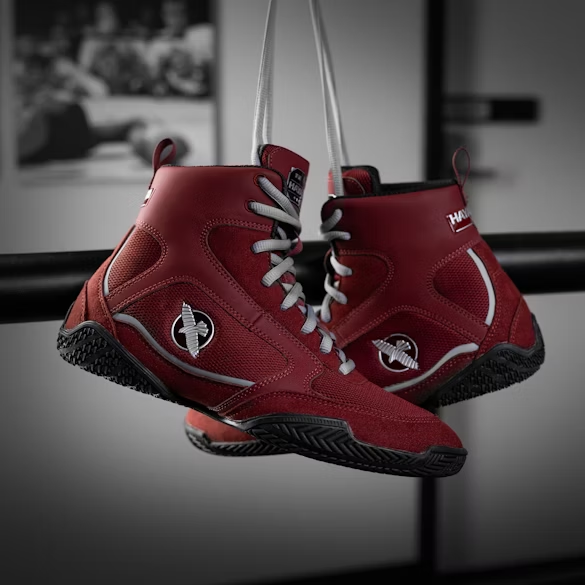
Created for constant footwork, pivots, and quick directional changes, boxing shoes help fighters stay light on their feet. The design emphasizes ankle support, traction, and lateral stability.
Taekwondo/Karate Shoes:
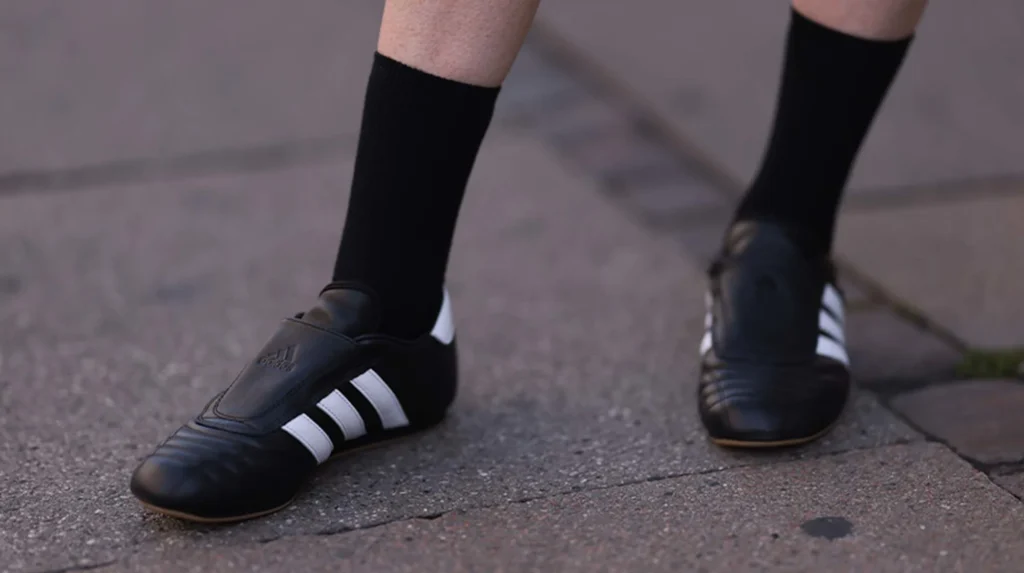
These tend to have a smoother flat sole, lower in profile (almost slipper like) They minimize grip to prevent joint strain during spinning kicks and high-speed movement.

Daedo KIX Shoes

Hayabusa Pro Boxing Shoes
- Lightweight
- Mid-top Design
- Optimal ankle support
- Rubberized sole for maximum traction and durability
- Reinforced heel cap
- High quality Microfibre, Eva Mesh materials
- Breathable mesh provides improved ventilation


Sting Viper Boxing Shoe 2.0
- The upper is constructed from an open-weave mesh for breathability with medial and lateral welded thermoplastic overlays to provide the ultimate in support.
- The Viper X 2.0 is designed to cradle your foot to the shoe, allowing both your sole and the show to become one together. This provides seamless movement in the ring
- A lightweight, light gripping outsole grants the shoe free motion to grip and hold your body on all types of ground - in and out of the boxing ring.
2. Traction & Grip
Boxing Shoes:
- High-traction soles
- Designed for canvas/ring harder surfaces
- Promotes strong push-offs and controlled pivots
- Prevents slipping during punches and defense
Boxers rely on grip to generate power from the ground up.
TKD/Karate Shoes:
- Low-traction soles (smooth or slightly textured)
- Meant for mats, dojang floors, or gym flooring
- Not suggested for use on concrete or coarse surfaces
- Allows easy pivoting for roundhouses, spinning kicks, and foot transitions
Too much grip = increased risk of twisting the ankle or knee during kicks.
3. Ankle Support
Boxing Shoes:
Available in low, mid, and high-top designs, very similar to Basketball Shoes. Most offer strong ankle support to stabilize footwork during lateral movement. Essential for preventing rolls and sprains in fast-paced striking.
TKD/Karate Shoes:
Typically low-cut to allow full ankle articulation. Kicking-heavy arts require complete freedom of movement—the foot must point, flex, and rotate effortlessly.
4. Weight & Flexibility
Boxing Shoes:
Lighter than regular sneakers and boots, but slightly more structured. The support helps boxers maintain form when driving power through hooks, jabs, and crosses.
TKD/Karate Shoes:
Extremely lightweight and often more flexible than boxing shoes. Many feel almost slipper-like to allow barefoot-style maneuverability.
5. Surface Compatibility
Boxing Shoes:
❌ Not recommended for Traditional style mats
✔️ Designed for canvas, textured and rough flooring
Using them on concrete surfaces may wear the soles prematurely and reduce effectiveness.
TKD/Karate Shoes:
✔️ Ideal for traditional Puzzle mats
✔️ Good for general indoor training, or hardwood surfaces
❌ Not intended for outdoor use on cement and coarse surfaces
Final Thoughts
Choosing the right footwear depends entirely on the type of training you’re doing. If you’re stepping into a boxing ring, boxing shoes give you the traction, support, and agility needed to move with confidence. If you’re practicing Taekwondo or Karate, traditional martial arts shoes offer protection and fluid motion without the excessive grip that can lead to injury.
Using the wrong shoes can limit performance, or worse, cause unnecessary strain. Investing in the correct footwear ensures you train safely, move correctly, and get the most out of every session.
If you’re looking to gear up, we offer a range of Boxing shoes, Taekwondo shoes, and Karate shoes suitable for both beginners and advanced athletes.
Frequently Asked Questions
Not recommended. Boxing shoes offer too much grip and ankle restriction, which can interfere with kicking movements and increase injury risk. The have Lace system on the front of Boxing shoes can also cause injury to your partners and/or training equipment.
They’re not ideal. Martial arts shoes don’t provide enough traction or ankle support for boxing footwork, especially during pivots and lateral movement. You are safer with regular high top sneakers if you do not have boxing shoes available.
Many dojangs and dojos train barefoot, but shoes can help protect the feet, add hygiene benefits, and provide comfort for students with foot issues.
This will vary Brand to brand and each model. Generally, these types of shoes run slightly narrow as they are meant to hug the foot. Many times, we suggest if ordering online to view the size guide if available, but if not available try going up a half size.
Absolutely. We carry entry-level boxing shoes and martial arts shoes at accessible pricing, perfect for first-time athletes or gyms outfitting new students.