The Difference Between a Jiu-Jitsu Belt and a Karate Belt

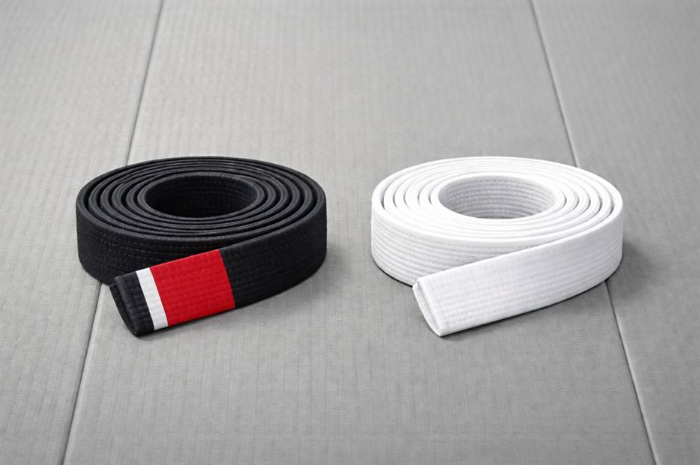
At first glance, a martial arts belt may seem like a simple piece of fabric used to hold a uniform together. However, in disciplines like Brazilian Jiu-Jitsu (BJJ) and Karate, belts represent very different philosophies, progression systems, and training expectations.
Understanding the difference between a Jiu-Jitsu belt and a traditional Karate belt can help students, parents, and instructors choose the right gear and better appreciate what each rank truly represents.
1. Belt Progression & Ranking Structure
One of the biggest differences lies in how belts are earned and how long advancement takes.
Brazilian Jiu-Jitsu Belts
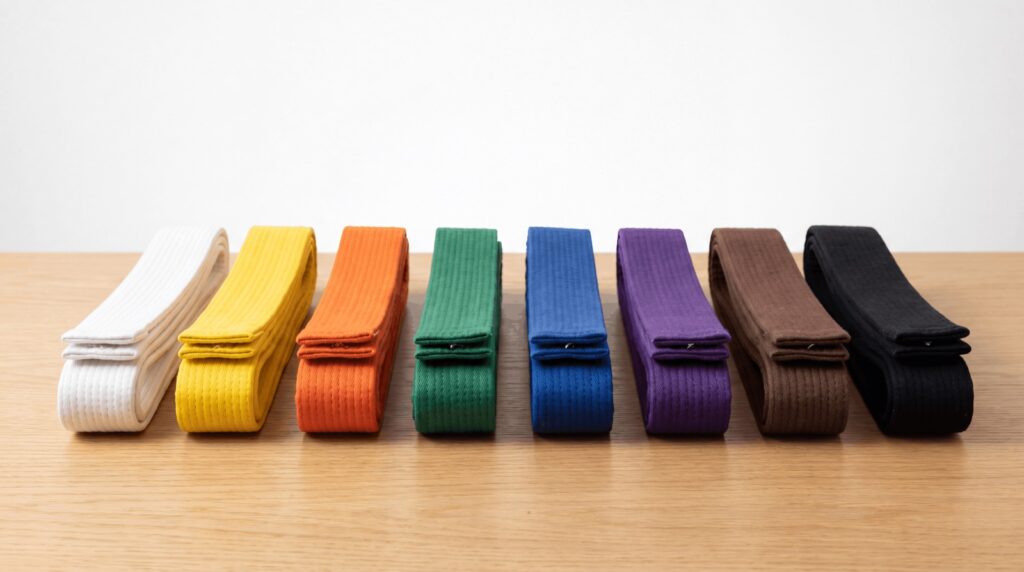
- Fewer belt colors: White, Blue, Purple, Brown, Black
- Consists of a Black bar (Red bar on Black belts) at the end of belt.
- Progression is slow and highly technical
- It often takes 8–12 years to reach black belt
- Promotions are based on skill, live sparring performance, and mat time, not formal testing
Karate Belts
- More belt levels, often including multiple colored belts and can include stripe or half colour belts.
- Progression can be faster, especially at beginner and intermediate levels
- Promotions typically involve structured testing
- Advancement is based on technique, kata, discipline, and knowledge
2. Stripe System vs Full belt Promotions
Another key difference is how progress is recognized between belt levels.
Jiu-Jitsu
- Uses stripes on belts to mark progress before they reach their next belt colour
- Stripes reflect consistent improvement and training time
- Not all schools use the same stripe system, but it’s common in BJJ
Karate
- Many schools use full belt changes instead of stripes
- Some styles use stripes or Half/Half colour belts, but advancement is more clearly tied to formal exams
- Emphasis is placed on curriculum completion
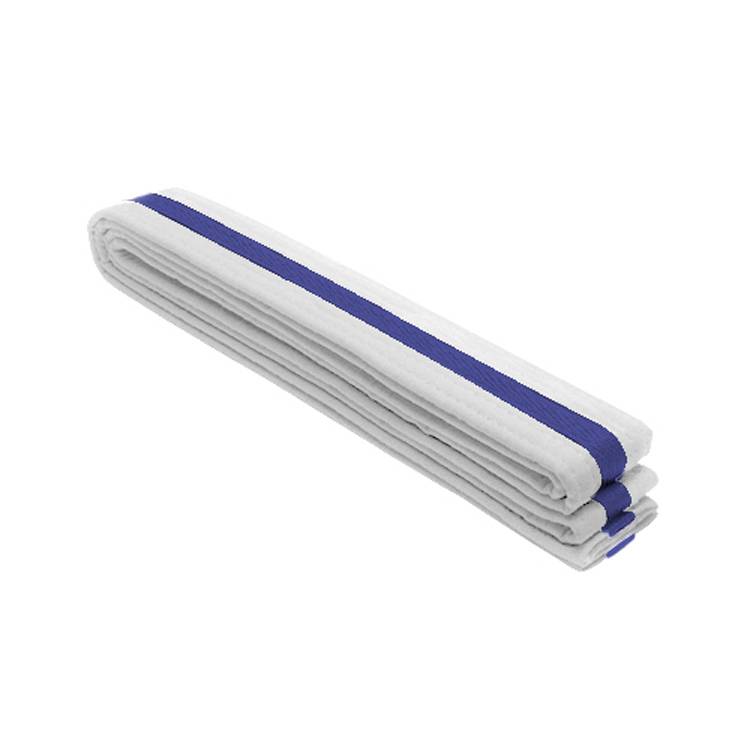

Drako Colour Stripe Belts

 Camo
Camo
Drako Regular Belts


Drako Youth Jiu Jitsu Belts
3. Belt Construction & Wear
While both belts may look similar, their build and wear patterns differ due to how each art is practiced.
Jiu-Jitsu Belts
- Thicker and more rigid, many case the average width is 2 inches
- Designed to withstand constant gripping, pulling, and friction
- Fade heavily over time, which many practitioners see as a badge of experience
Karate Belts
- Typically lighter and slightly thinner
- Average width is 1 ¾ inches for colour belts and 2 inches for Black Belts and Masters.
- Designed for striking-focused training
- Tend to keep their color longer due to less grappling contact and shorter in time wearing of belt between levels
4. Meaning & Philosophy Behind the Belt
The belt also represents different values in each discipline.
In Jiu-Jitsu
- Belts symbolize practical ability under pressure
- Rank is closely tied to how well techniques work against resistance
- A belt is earned through long-term dedication and performance
In Karate
- Belts represent technical mastery, discipline, and personal development
- Progress reflects both physical skill and mental growth
- Strong emphasis on tradition, respect, and form
Final Thoughts
While both belts serve the same basic function, Jiu-Jitsu and Karate belts represent very different journeys. Jiu-Jitsu emphasizes long-term performance under resistance, while Karate focuses on structured progression, discipline, and technique.
Understanding these differences helps students and parents set realistic expectations and choose the right discipline for their martial arts path.
Frequently Asked Questions
Generally, yes. Brazilian Jiu-Jitsu black belts require significantly more time and consistent live training. Karate black belts are still a major achievement, but timelines vary widely depending on the style and school.
It’s not recommended. Jiu-Jitsu belts are built thicker to handle grappling, while Karate belts are lighter and better suited for striking arts.
Constant gripping, washing, and mat friction cause BJJ belts to fade. Many practitioners see this as a sign of experience rather than something negative. Also the length in time between belt ranks is longer than other disciplines.
No. Karate belt colors and progression vary by style, organization, and instructor, whereas Jiu-Jitsu belt systems are more standardized.