How to Choose the Right Boxing Gloves: Complete Buyer’s Guide

Walking into a martial arts store and seeing a wall of boxing gloves can feel overwhelming. Different sizes, materials, price points, and everybody seems to have an opinion on what you should buy. Here’s the thing: picking the wrong pair doesn’t just waste money. It puts your hands at risk.
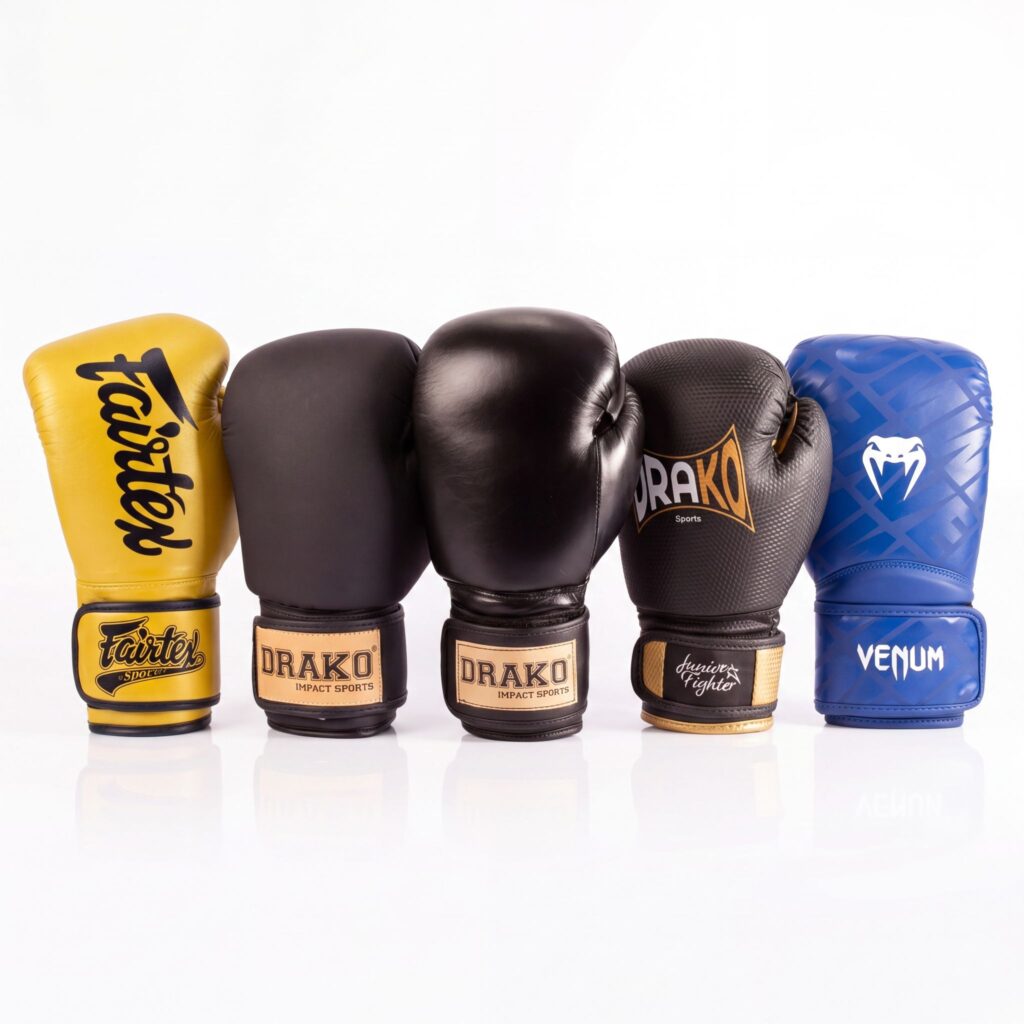
At Bushido Martial Arts, we’ve been outfitting fighters across Canada for over 30 years. We manufacture our own Drako line and carry premium brands like Fairtex, Hayabusa, and Venum. That gives us a perspective most online guides don’t have, we know how to choose boxing gloves because we handle them daily, sell them, and hear directly from the athletes who train in them. This guide covers everything you need to pick the right pair for your training, skill level, and budget.
Why Your Boxing Gloves Matter More Than You Think
Boxing gloves aren’t just padded mittens. They do three jobs: protect your knuckles and wrists, protect your sparring partner, and help you develop proper technique.
A glove that’s too light won’t absorb enough impact during heavy bag sessions, and you’ll feel it in your hands within weeks. A glove that’s too heavy for mitt work slows your combinations and builds bad habits.
Quality gloves also affect wrist alignment. They position your fist correctly, distributing force across the knuckle line rather than concentrating it on one or two knuckles. Our job is to provide you with the best glove within whatever budget you may have. Something that is suited for your hand profile and style of training.
Boxing Glove Types: Which Style Do You Need?
Before thinking about size, weight, or brand, figure out what you’ll actually be doing in the gloves. Different training activities call for different designs.
Training/Sparring Gloves
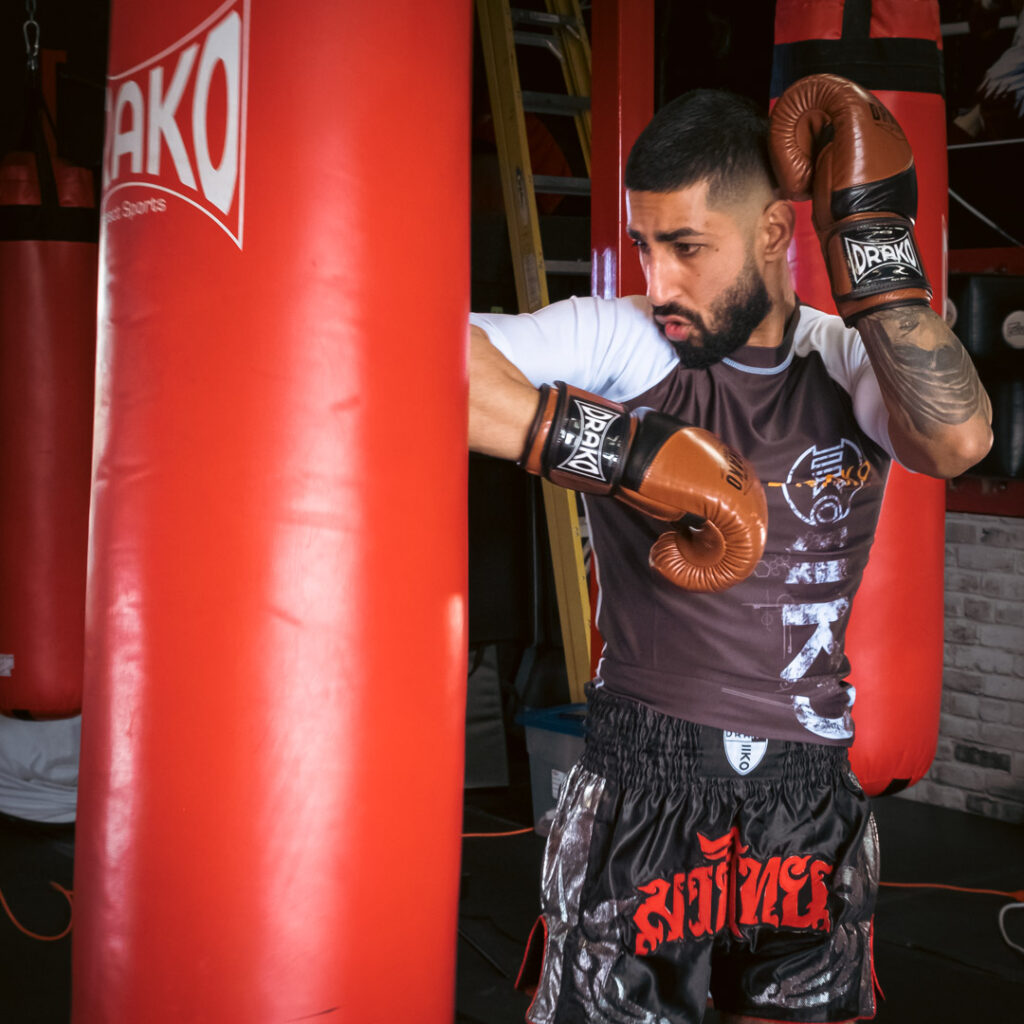
These types of gloves tend to be more robust, thicker and have more layers of padding around the knuckle area. Better suited for sparring classes the 16oz weighted option is most commonly used and preferred by coaches. The extra cushioning helps protect both you and your partner from injury during training. Our Drako F1 Sparring glove is a great example of a Boxing glove with solid wrist support coupled with excellent padding around the knuckles. 14oz gloves have been a popular choice as well for those doing light controlled sparring and mixing in some extra bag and pad work, but note using one glove will shorten the life of it, especially if training more than 3 times a week.
Bag Gloves
Designed specifically for heavy bag and pad work. Bag gloves are more compact with denser padding over the knuckles. They don’t need the partner-protection layer that sparring gloves have, so they’re lighter and let you focus on speed. Depending on body size, the most common size gloves are 10oz and 12oz, or in some brands Medium and Large. Our bag gloves collection has options from Drako and other brands for every budget.
Competition Gloves
Sanctioned fights require specific glove weights (usually 8 oz or 10 oz) approved by the governing body. Competition gloves have tighter fits, thinner padding, and sometimes lace-up closures for a custom-wrap feel. If you’re competing, your coach will guide you on the exact specification required.
How to Choose the Right Boxing Glove Weight
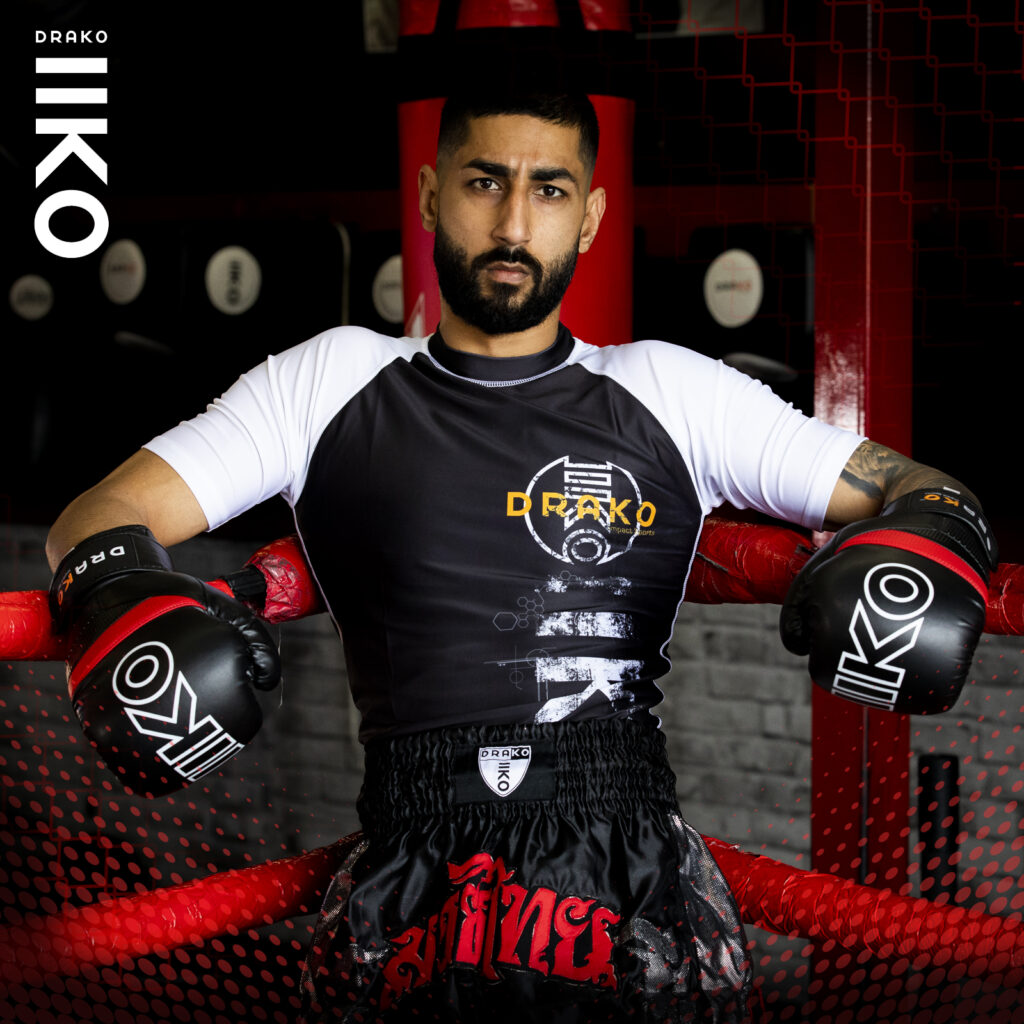
Boxing gloves are measured in ounces (oz), and the number refers to the total weight of padding. More ounces means more protection and a heavier glove. Here’s a general guide based on body weight and training type:
| Your Body Weight | Bag / Pad Work | Sparring | Competition |
|---|---|---|---|
| Under 120 lbs (54 kg) | 10 oz | 14 oz | 8 oz |
| 120–150 lbs (54–68 kg) | 12 oz | 14–16 oz | 10 oz |
| 150–180 lbs (68–82 kg) | 14 oz | 16 oz | 10 oz |
| Over 180 lbs (82+ kg) | 16 oz | 16–18 oz | 10 oz |
A common mistake is buying one pair for everything. A 16 oz sparring glove on the heavy bag makes your hands slow and won’t build the snap you need. However, for some largely built individuals a 16oz glove might be the only option for them in terms of fitting and hand compartment size. A 10 oz bag glove on a sparring partner is reckless. If you’re training seriously, plan on at least two pairs. We wrote a full breakdown of why separate gloves matter if you want the details.
For beginners who want one pair to start with, 14 oz or 16 oz training gloves are the safest choice. They’re heavy enough to protect your hands on bags and acceptable for light sparring at most gyms.
Boxing Glove Size Guide: Finding Your Fit
Weight gets most of the attention, but fit matters just as much. A glove should feel snug around your hand without pinching. Your fingers should reach the end of the glove compartment, and your thumb should sit comfortably in the thumb pocket. Keep in mind, depending on the amount of training you do, there is a break in period of up to one month for most gloves.
Always try gloves on with hand wraps. Wraps add volume to your hand, and if you size your gloves without them, they’ll feel too tight during actual training. Mexican-style wraps like the Drako Mexican Style Hand Wraps are the most popular for everyday use.
A few fit details people miss:
- The wrist strap should close completely with room to tighten. If the Velcro barely catches, the glove is too small.
- Your thumb should be fully enclosed in the thumb compartment. Exposed thumbs catch on gear and cause injuries.
- There shouldn’t be empty space at the fingertips. Loose gloves shift on impact, reducing protection.
- Your hands should feel snug without any pinching feeling.
- You should be able to make a fist naturally. If overlap with each other, that’s a sign the compartment is too narrow.
Leather, Microfibre or Vinyl: What’s the Difference?
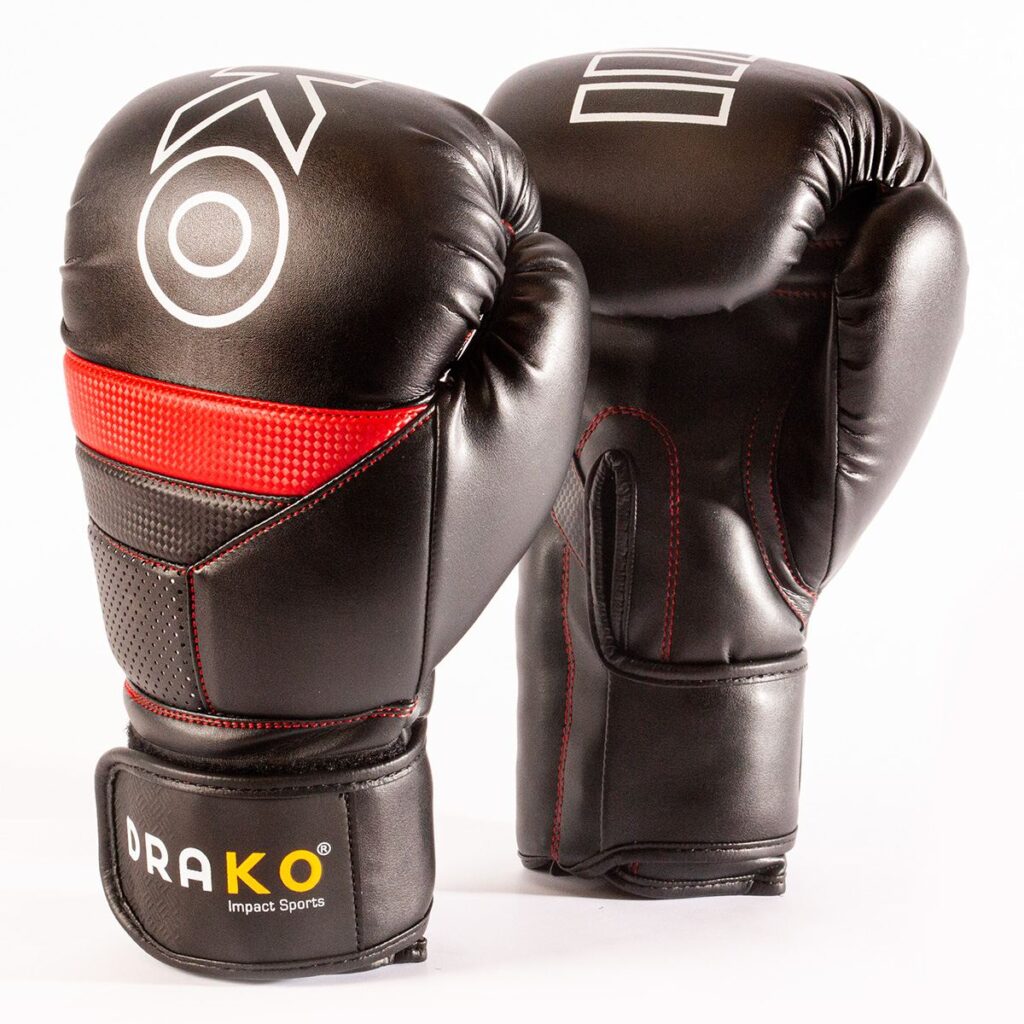
In the past, you had limited choices of either leather or vinyl (cheaper plastic) options for your gloves. Leather being more premium and costly, whereas vinyl is cheaper and prone to peeling and chipping. Nowadays, the quality of vinyl (most widely termed synthetic leather) has greatly improved in quality and offer many surface finished such as matte, textured, carbonized etc. A great example of this is the Drako MaxFit Boxing Gloves. These offer a smoother almost silky finish. Still more cost effective than leather, but don’t be surprised to see top rated gloves utilizing this material.
The last 5+ years Microfibre has been widely preferred by many top brands as their choice of material for gloves. Microfibre offers the same durability and longevity as leather, but without the worries of wrinkling or fading of colour. Tough as leather and better controlled during the manufacturing process as they are man made.
Leather is a tried-and-true traditional material mainly used in higher end gloves and brands. Most leathers are from cow or buffalo hide, cow being smoother, while buffalo can be coarser and rougher. Not all leather gloves are made equally though. Some brands and models may have thicker layers than others causing a spike in price and longevity. If you’re looking for classic all leather sparring gloves that utilize thick leather but don’t break the bank, we suggest the Drako First Class LX Glove.
Velcro vs. Lace-Up: Choosing Your Closure
Velcro (hook-and-loop) closures are what you’ll find on most training and sparring gloves. You can put them on and take them off yourself, adjust the tightness between rounds, and they offer solid wrist support for general training.
Lace-up closures give a tighter, more customized fit and distribute pressure evenly across the wrist. The tradeoff is you’ll need a partner or a lacing tool to get them on. Our Drako Lace Up Boxing Gloves are preferred by competitive fighters and serious sparring athletes who want maximum wrist stability.
For most people reading this guide, Velcro is the practical choice. Consider lace-ups if you’re competing or if wrist support is a top priority.
Our Top Boxing Glove Picks by Experience Level
We’ve helped thousands of customers across Canada find the right glove. Here are our go-to recommendations based on where you are in your training.
Best for Beginners
The Drako Vinyl Boxing Gloves are where most of our new customers start. They’re affordable, hold up through beginner programs, and come in multiple weight options. Pair them with Drako Mexican Style Hand Wraps, and you’ve got a reliable starter kit.
Want to step up without a big price jump? The Rival RB7 Gloves are designed for cardio kickboxing and pad work with a more refined fit.
Best for Intermediate Fighters
Once you’re training regularly and investing in technique, move to leather. The Drako Classic Leather Boxing Gloves are our most popular intermediate option. The leather conforms to your hand shape after a few sessions, and the foam density handles serious bag work without breaking down.
For those who want a premium feel, Hayabusa T3 LX Boxing Gloves are built by one of the most respected names in combat sports.
Best for Sparring
Sparring requires maximum protection for both fighters. The Drako Super-LX Sparring Gloves are crafted from genuine leather with dense foam padding. For a competition-adjacent sparring experience, the Rival Evolution Sparring Gloves use super resistant microfibre with an engineered fit that increases airflow during long rounds.
| Level | Glove | Material | Best For | Closure |
|---|---|---|---|---|
| Beginner | Drako Vinyl | Vinyl | All-around training | Velcro |
| Beginner+ | Rival RB7 | PU | Cardio, pad work | Velcro |
| Intermediate | Drako Classic | Leather | Bag work, pads | Velcro |
| Intermediate | Hayabusa T3 | Leather | Training, Sparring | Velcro |
| Pro Sparring | Drako Super-LX | Leather | Heavy sparring | Velcro |
Don’t Forget Hand Wraps
Boxing gloves don’t replace hand wraps. Wraps stabilize your wrist bones and knuckles, absorb sweat, and reduce impact stress on the small bones in your hand. Every time you put gloves on, wraps go on first.
If you’re new to wrapping, our step-by-step hand wrap guide walks you through the process. We carry cotton wraps, Mexican-style wraps, and quick-wrap gel alternatives. Browse our full hand wraps collection to find what works for you.
Frequently Asked Questions
What size boxing gloves should a beginner get?
Most beginners do well with 14 oz or 16 oz training gloves. These sizes have enough padding to protect your hands during bag work and are accepted for light sparring at most gyms. If you weigh under 120 lbs, 12 oz is a reasonable starting point.
Can I use the same gloves for bag work and sparring?
You can, but it’s not ideal. Bag sessions compress the foam faster, and worn-out padding means less protection for your sparring partner. If your budget allows, keep separate pairs for bags and sparring.
How often should I replace my boxing gloves?
With regular training (three to four sessions per week), vinyl gloves typically last 6 to 12 months. Leather gloves last one to three years. Replace them when the padding feels flat, the wrist support loosens, or the inner lining starts cracking.
Are more expensive boxing gloves always better?
Not necessarily. Price reflects material quality and brand reputation, but a $200 glove won’t make you a better fighter. A well-fitted glove at the right weight for your activity matters more than the price tag. Our Drako range delivers professional-level protection at accessible price points, and every pair is ISO approved.
How should I care for my boxing gloves?
Air them out immediately after training. Never leave them zipped in your gym bag. Use glove inserts (charcoal or cedar) to absorb moisture, and wipe the interior with antibacterial spray weekly. We covered the full process in our boxing glove care guide.
Ready to find your pair? Browse our full boxing gloves collection or visit us in-store at our Langley, BC location. Need help deciding? Call us at 604-513-0317, and our team will point you in the right direction.