How to Wrap Your Hands for Boxing: 7-Step Guide With Product Picks

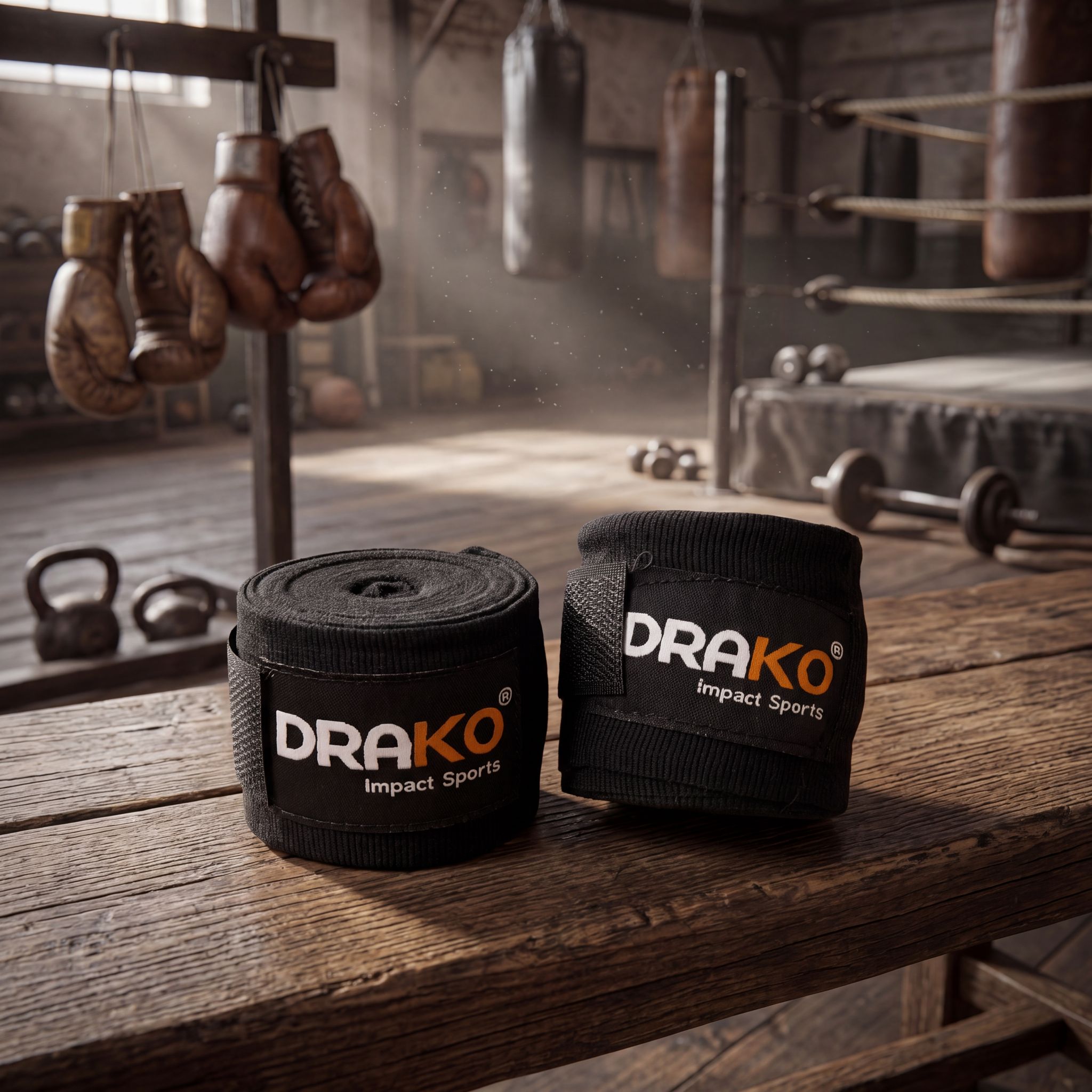
Your gloves get all the attention, but it’s the wraps underneath that actually protect your hands. A solid wrap job locks your wrist in place, supports the small bones across your knuckles, and stops your hand from shifting inside the glove mid-punch. Skip the wraps and you’re one bad hook away from a boxer’s fracture.
We’ve been helping fighters across Canada figure out how to choose boxing gloves and gear up properly for over 30 years. At Bushido Martial Arts, we sell and test every wrap we carry from basic cotton to premium Mexican-style elastics. This guide walks you through how to wrap your hands for boxing the right way, compares the wrap types we stock, and helps you pick the best option for your training style.
Why Wrapping Your Hands Matters
Your hand has 27 small bones, and most of them sit right behind your knuckles. Without wraps, those bones absorb direct impact every time you throw a punch. That’s fine for a few light jabs. It’s not fine for a 45-minute heavy bag session.
Wraps do three things. They compress the bones in your hand into a single unit so force distributes evenly across your fist. They stabilize your wrist so it doesn’t flex or bend on impact. And they add a layer of padding between your knuckles and the glove’s inner lining, reducing friction blisters.
One awkward punch at a bad angle can hyperextend your wrist or crack a metacarpal. Good technique reduces the risk. Good wraps reduce it further. If you’re spending money on quality boxing gloves, it doesn’t make sense to leave your hands unprotected underneath them.
Types of Boxing Hand Wraps
Not all wraps work the same way. The material, length, and construction change how they feel, how much support they give, and how long they last. Here’s a breakdown of the four main types you’ll run into.
Cotton (Cloth) Wraps
The classic. Cotton wraps are non-stretch fabric, usually 180 inches long, with a thumb loop on one end and a Velcro closure on the other. They’re affordable, machine-washable, and straightforward to use. The downside is they don’t conform to your hand as tightly as elastic options, so you need decent wrapping technique to get a snug fit. Great for beginners who want to learn proper wrapping fundamentals without spending much.
Mexican-Style (Semi-Elastic) Wraps
These are the most popular choice in most boxing gyms. Mexican-style wraps blend cotton with a small percentage of elastic fibre (usually spandex), so they stretch slightly as you wrap. That stretch lets the fabric hug your hand’s contours and tighten naturally when you make a fist. Our Drako Mexican Style Hand Wraps are a great example. They’ve got just enough give to mould around your knuckles without going slack during training.
Gel Inner Gloves
Quick wraps or gel gloves are slip-on alternatives with built-in gel padding over the knuckles. You pull them on like a glove, no wrapping required. They’re convenient for cardio boxing classes or light bag work, but they don’t offer the same wrist support as traditional wraps. The Hayabusa Quick Gel Hand Wraps are solid for gym-goers who want protection without the wrapping process. These are great for individuals that suffer from any knuckle injuries as the gel cushion provides added impact absorption.
Competition Gauze and Tape
Professional fighters use medical-grade gauze and athletic tape applied by their corner team. This gives the tightest, most customized wrap possible, but it’s single-use and requires someone else to apply it. Unless you’re competing at an amateur or professional level, you won’t need these. Stick with reusable wraps for training.
Hand Wrap Comparison
| Type | Stretch | Wrist Support | Reusable | Best For |
|---|---|---|---|---|
| Cotton (Cloth) | Minimal | Good | Yes | Beginners, budget-friendly |
| Mexican-Style | Excellent | Excellent | Yes | All-around training and sparring |
| Gel Inner Gloves | N/A | Moderate | Yes | Cardio classes, light bag work |
| Gauze + Tape | None | Excellent | No | Competition only |
How to Pick the Right Hand Wrap Length
Hand wraps come in three standard lengths: 108 inches (short), 120 inches (medium), and 180 inches (full). The length you need depends on your hand size and how many passes around the knuckles you want.
| Length | Hand Size | Knuckle Passes | Who It Fits |
|---|---|---|---|
| 108″ (275 cm) | Small / Kids | 2–3 passes | Youth fighters, small adult hands |
| 120″ (305 cm) | Medium | 3 passes | Average adult hands, lighter training |
| 180″ (457 cm) | Medium–Large | 3–4 passes | Most adults, all training types |
Our recommendation: go with 180-inch wraps. Even if your hands are on the smaller side, the extra length just means one more pass around the knuckles or wrist – which is more protection, not wasted material. Both our Drako 120″ Hand Wraps and Rival 180″ Handwraps are solid picks depending on your preference.
Not sure what size gloves to pair them with? Check out our boxing glove size chart for a quick reference.
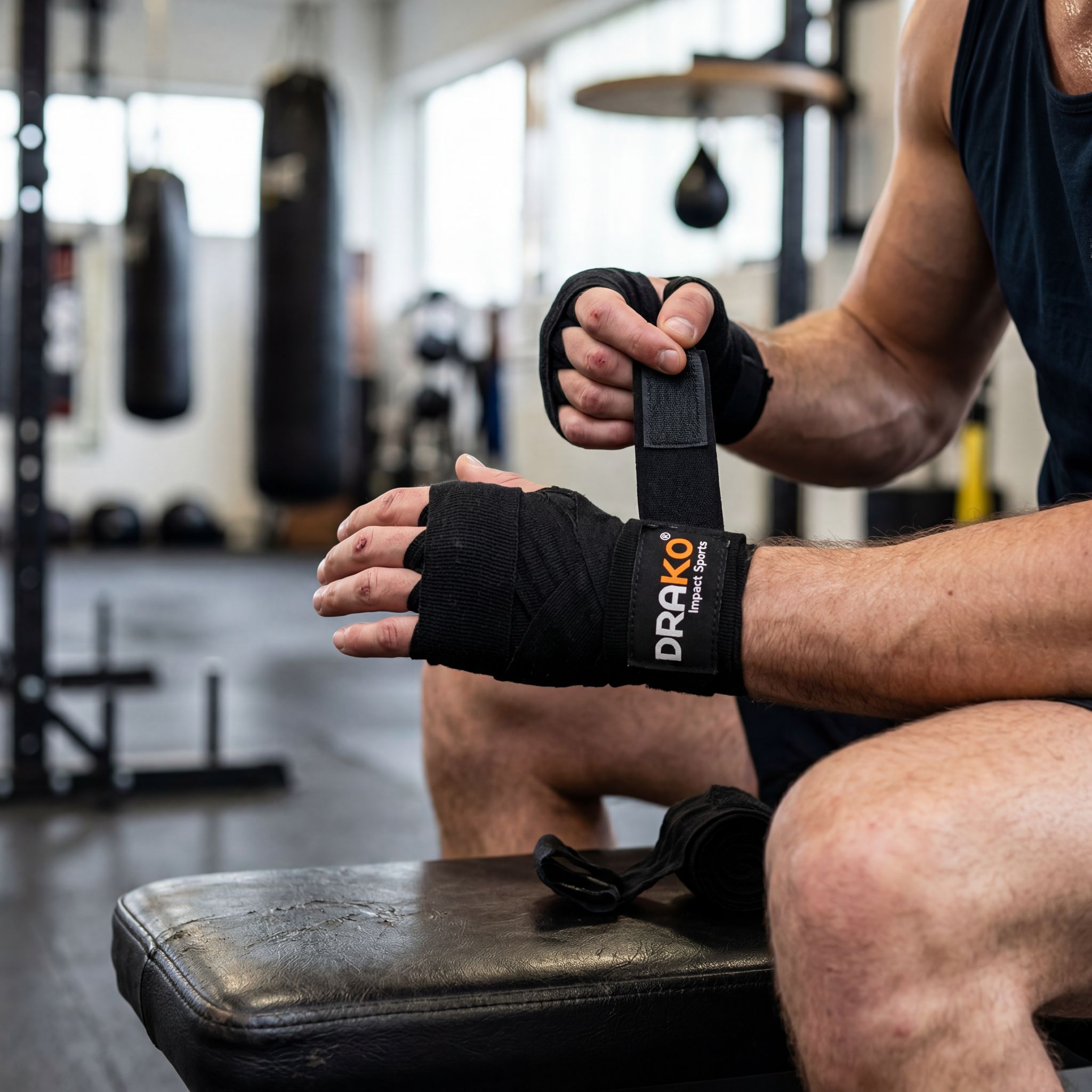
How to Wrap Your Hands for Boxing – Step by Step
There are dozens of wrapping methods out there, but this standard technique covers 90% of training needs. It protects your wrist, knuckles, and thumb – the three areas most vulnerable to injury. Grab a pair of 180-inch wraps and follow along.
Step 1: Start with the thumb loop
Slide your thumb through the loop at the end of the wrap. The wrap should run across the back of your hand, not your palm. Keep your fingers spread wide and your wrist straight.
Step 2: Wrap around the wrist three times
Circle the wrap around your wrist three times, keeping it snug but not tight. You should be able to flex your wrist slightly. This is the base layer of support. If it’s too loose here, everything above it shifts during training.
Step 3: Wrap across the palm and up to the knuckles
Bring the wrap diagonally across your palm and over the knuckles. Circle around the knuckles three times. Each pass should overlap the previous one slightly, building a pad across the knuckle line.
Step 4: Weave between each finger
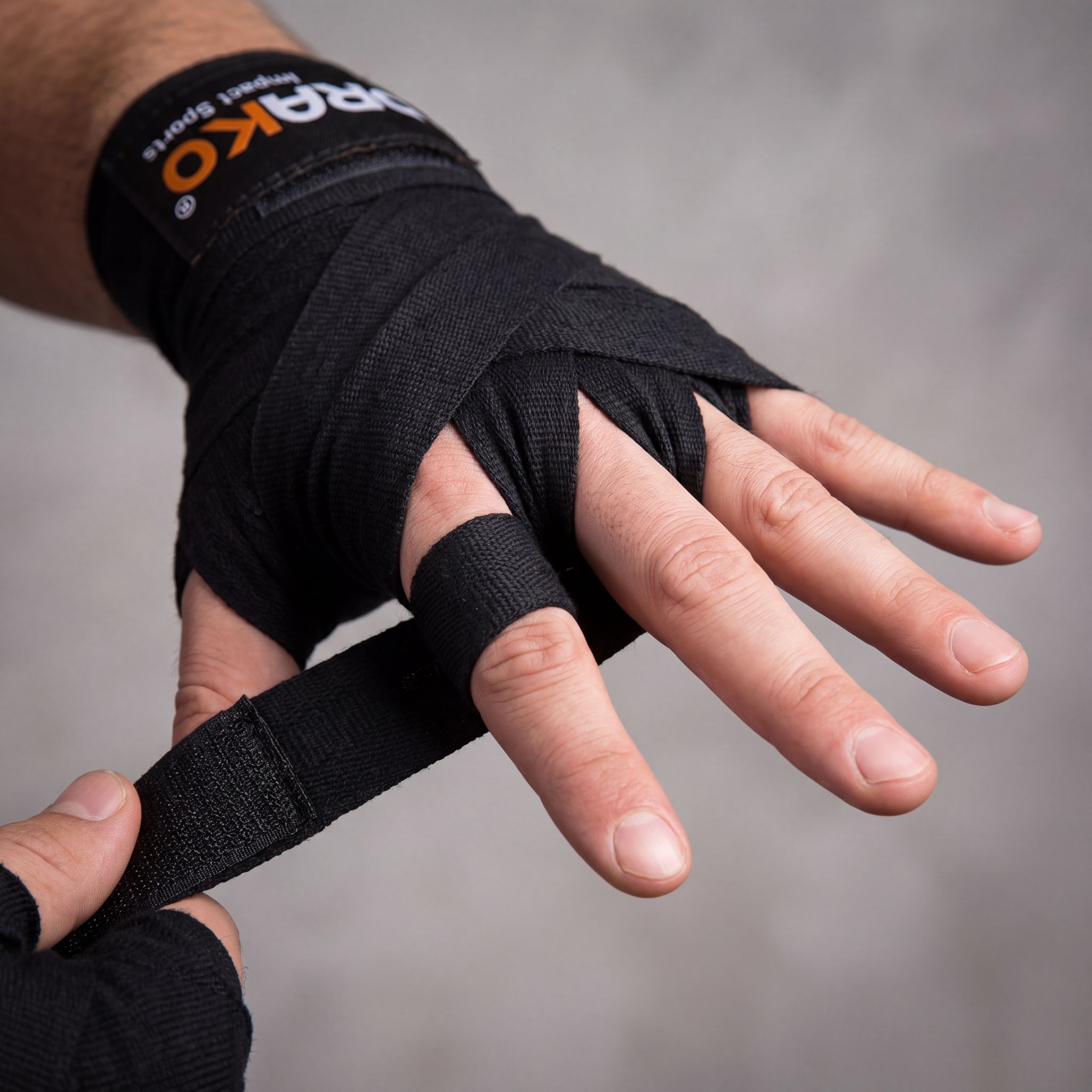
This is the step most beginners skip, and it’s the one that makes the biggest difference. Bring the wrap down between your pinky and ring finger, back across the palm, then between your ring and middle finger, back across the palm, then between your middle and index finger. Each pass separates and cushions the knuckles individually.
Step 5: Wrap the thumb
Bring the wrap around your thumb once or twice, then anchor it by circling back around the wrist. Don’t wrap the thumb too tight – you need it to move freely for proper fist formation. This protects the base of the thumb, which is a common injury spot on hooks and uppercuts.
Step 6: Cover the knuckles one more time
Bring the remaining wrap back up and around the knuckles for two more passes. This final layer sits on top of the finger weave and creates a solid knuckle pad. If you’ve got wrap left over, do one more pass around the wrist.
Step 7: Secure with Velcro at the wrist
Finish by wrapping any remaining fabric around the wrist and pressing the Velcro tab flat. Make a fist and check the fit. Your hand should feel supported but not numb. If your fingers tingle or turn white, it’s too tight. Unwrap and start over with less tension on the wrist.
Tip: If you’re training more than three times a week, buy at least two pairs of wraps. Rotating between sets lets each pair dry fully between sessions and extends their lifespan significantly.
Common Hand Wrapping Mistakes to Avoid
Getting the basics down is straightforward. Getting them consistently right takes a few sessions. Here are the mistakes we see most often at the shop and in the gym.
Wrapping too tight around the wrist. Your wrist needs stability, not a tourniquet. If your hand goes numb or your fingers tingle after making a fist, loosen the wrist. Blood flow matters.
Skipping the finger weave. Without it, your knuckle pad is one flat surface. The weave separates each knuckle so they absorb impact individually. It takes 30 extra seconds and prevents the most common training injuries.
Starting with the wrap on the palm side. The wrap should always cross the back of the hand first. Starting on the palm creates bunching that you’ll feel every time you grip or close your fist.
Using wraps that are too short. If you run out of material before you finish the finger weave, your wraps are too short. Most adults need 180 inches. Trying to make 108-inch wraps work on large hands means cutting corners on knuckle padding.
Not washing wraps regularly. Wraps absorb sweat every session. Left unwashed, they develop bacteria, start smelling, and the fabric breaks down faster. Wash after every 2–3 uses at minimum.
How to Care for Your Hand Wraps
Good wraps last 6–12 months with proper care. Here’s how to get the most out of them.
Wash after every 2–3 uses. Machine wash on cold, gentle cycle. Throw them in a mesh laundry bag or pillowcase so they don’t tangle around other clothes.
Air dry only. Heat from the dryer breaks down elastic fibres, especially in Mexican-style wraps. Hang them up or lay them flat.
Roll them up after drying. Rolling keeps the wraps from tangling and makes them faster to put on next session. Start from the Velcro end so the thumb loop is on the outside when you unroll.
Replace when they lose elasticity. If the wrap doesn’t snap back when you stretch it, or the Velcro stops gripping, it’s time for a new pair. Worn-out wraps slide during training and don’t protect properly.
Our Top Hand Wrap Picks
We carry hand wraps from several brands, and each one hits a different price point and training style. Here are our go-to recommendations based on what we see customers coming back for.
| Product | Type | Length | Best For |
|---|---|---|---|
| Drako Mexican Style Hand Wraps | Mexican-style (semi-elastic) | 180″ | All-around training |
| Drako 120″ Hand Wraps | Mexican-style (semi-elastic) | 120″ | Smaller hands, lighter sessions |
| Rival 180″ Handwraps | Cotton blend | 180″ | Premium feel, Muay Thai training |
| Hayabusa Quick Gel Hand Wraps | Gel inner glove | One size | Quick on/off, cardio boxing |
If you’re just getting started, we recommend the Drako Mexican Style wraps. They’re forgiving enough for beginners learning to wrap, and they hold up well under daily training. For more experienced fighters who want a premium option, the Rival 180″ Handwraps are worth the upgrade.
Browse our full hand wraps collection to see everything we carry.
Frequently Asked Questions
Yes. Hand wraps protect the small bones in your hand and stabilize your wrist during impact. Most gyms require them for bag work and sparring. Even for solo training at home, they’re worth wearing. A hand injury can sideline you for weeks.
Snug, not tight. You should be able to make a full fist comfortably and spread your fingers slightly. If your fingers tingle, turn white, or feel numb, your wraps are too tight. The wrist should feel supported but not restricted.
Absolutely. Cotton and Mexican-style wraps are designed to be reused hundreds of times. Wash them after every 2–3 sessions, air dry, and roll them back up. A good pair lasts 6–12 months depending on how often you train.
Every 2–3 uses. Wraps absorb a lot of sweat. Letting them sit damp in your gym bag breeds bacteria and breaks down the fabric faster. Machine wash cold, gentle cycle, and always air dry.
180 inches for most adults. This gives you enough material for three wrist passes, a full finger weave, and three-plus knuckle passes. Go with 120 inches if you have smaller hands or prefer a lighter wrap for pad work. Kids typically use 108-inch wraps.
Wrap Up and Get Training
Good wraps don’t cost much, but they save you from injuries that could cost you weeks of training. Once you’ve got the technique down, wrapping becomes second nature – most fighters do it in under two minutes.
Browse our full hand wraps collection or check out our complete boxing glove buyer’s guide if you’re still picking gloves. Need help choosing? Give us a call at 604-513-0317 or visit our store in Langley, BC. We’re happy to help you find the right setup.