








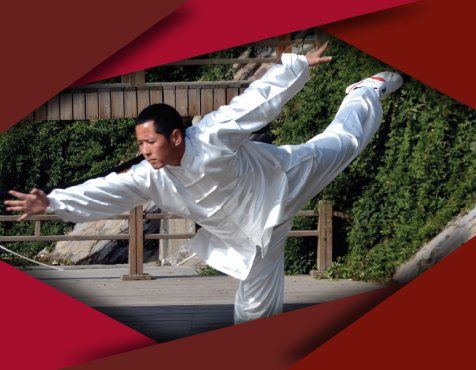

Step Into Success: What to Look for in Taekwondo Shoes (and Who Should Wear Them)

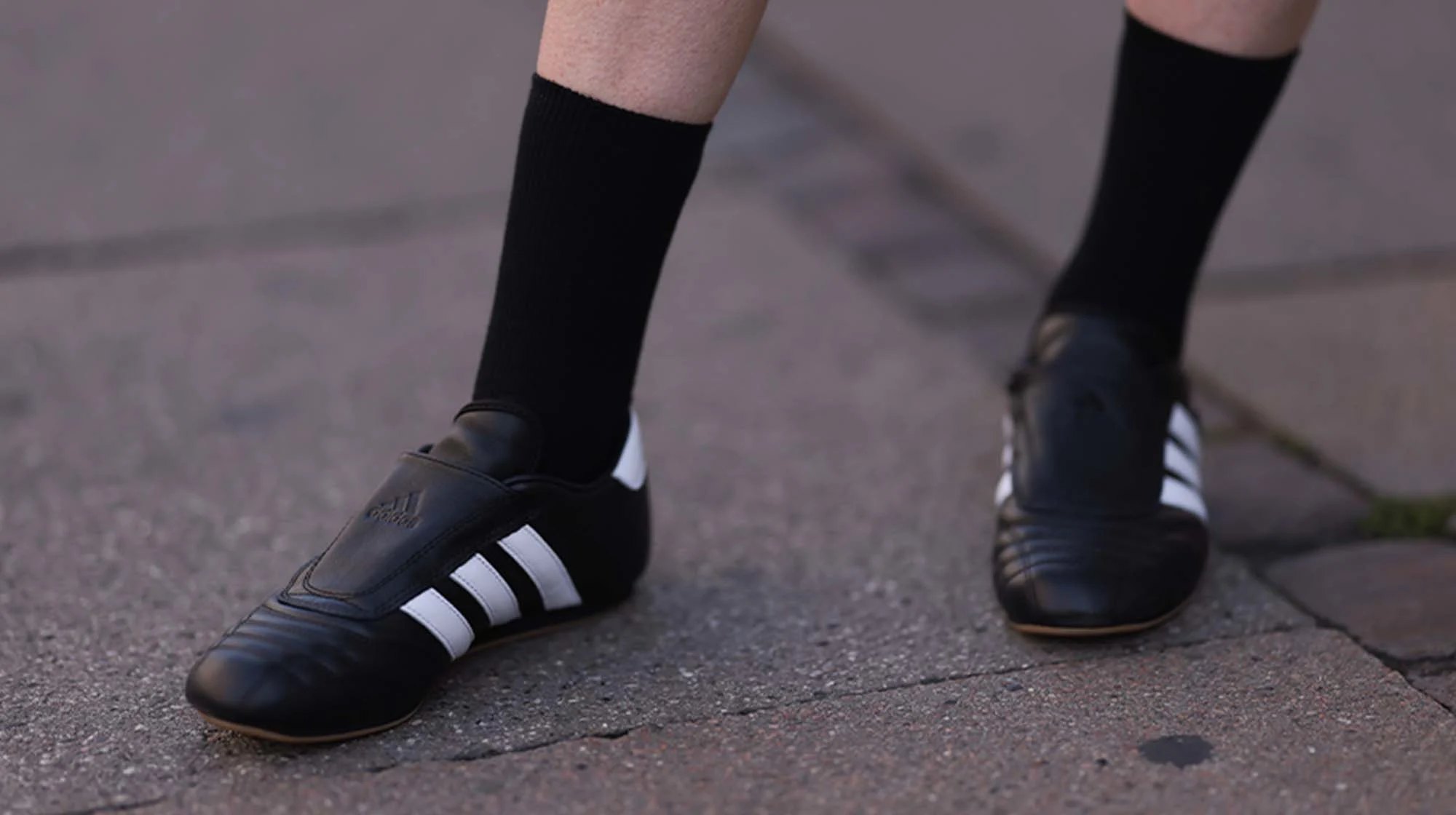
Whether you’re just starting your martial arts journey or you’re a seasoned black belt, the right gear always makes a big difference—and that includes your footwear. Taekwondo shoes aren’t just about looking sharp on the mats, they serve real purpose. Shoes offer protection, grip and help when recovering from injuries. But with so many options on the market, how do you know what to look for?
Let’s break down a few features to look for and who will benefit the most from stepping into a pair of Taekwondo shoes.
Why Wear Taekwondo Shoes?
Taekwondo is traditionally practiced barefoot and the majority of users prefer it this way. But there are plenty of situations where shoes are not just acceptable—they’re ideal. Maybe you’re training in a cold gym, recovering from a foot injury, or teaching long hours on hard floors, Taekwondo shoes provide that extra support without compromising your technique. Instructors, tournament officials, demo team members, and students training on rough or non-traditional surfaces also benefit from proper martial arts footwear.
Top Things to Look For in a Pair of Taekwondo Shoes
1. Lightweight Design
Nobody likes a clunky, heavy pair of shoes, so why settle for one in Taekwondo. Look for lightweight materials that won’t slow down your footwork or kicks. Many shoes now are made with items like recycled plastic and synthetic materials.
2. Slim, Flexible Sole
A good Taekwondo shoe should have a thin, grippy sole that allows you to feel the ground, with multiple pivot points to assist your kicks and side-side movements. Avoid bulky soles that reduce mobility or interfere with technique. Remember having a sole with too much grip and trending can hinder your mobility and also damage matting. We recommend a white sole as well to avoid any marking on floor surfaces. Also look for soles that are sewn on, rather than glued on where the sole can come apart sooner.
3. Breathability
Training gets sweaty. Choose shoes made with breathable mesh or perforated panels to help keep your feet cool and dry during intense sessions. Always dry your shoes after class, a wet pair of shoes will decrease life and damage the shoe and not to mention, create an awful stink.
4. Snug Yet Comfortable Fit
Taekwondo shoes should fit like a glove—secure, but not tight. You don’t want them slipping off during training or sparring drills. When trying on a pair for the first time, ensure your feet are comfortable and no pinching feeling on the sides of your feet. Taekwondo shoes are narrower than your regular sneaker, so most of the time, we suggest going up a half to full size.
5. No Laces (or Hidden Laces)?
Loose laces are a safety hazard. Many martial arts shoes are designed with slip-on styles or internal lace systems to keep things clean and secure. Many brands now have opted for a lace up system on the side of the shoes to help narrow or widen the fit. Still, what seems to be most popular is the slip-on style of shoe. One, it looks cleaner and Two, it looks more stylish than your traditional shoe.
Who Should Wear Taekwondo Shoes?
- Instructors: Long days on your feet require support and comfort
- Students training on hard or cold floors: Added protection and warmth
- Athletes recovering from, or with minor foot injuries: Extra cushioning and hygiene
- Demo team members: Shoes often complete the uniform and add grip for flashy moves
- Tournament coaches or officials: Maintain a professional look while staying mobile
Step Up Your Game
Thinking of adding Taekwondo shoes to your gear bag? Now you know what to look for—and why they might just be the upgrade you didn’t know you needed. Whether you’re training, teaching, or competing, the right shoes can help you move with more confidence and less risk.
Check out these options to get started:
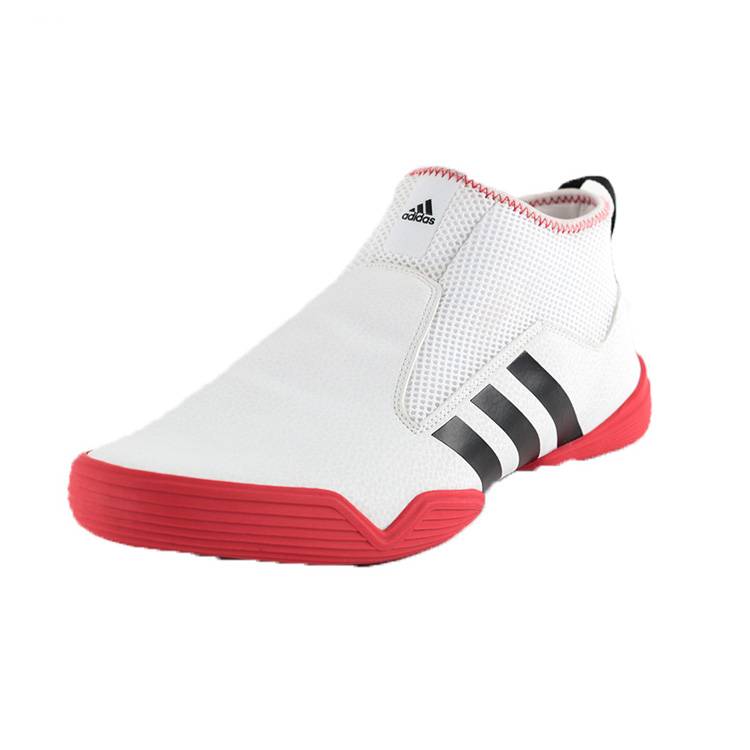
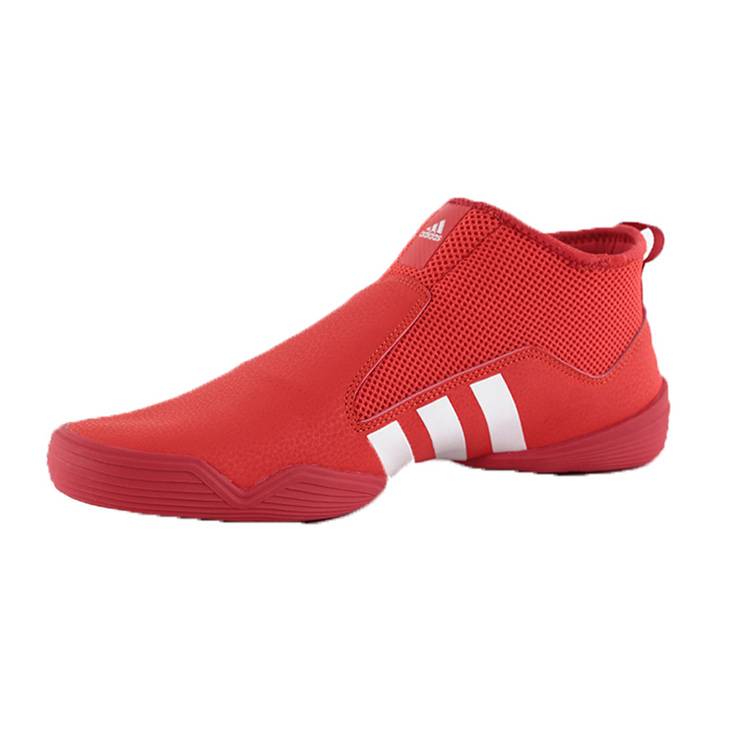


Adidas Contestant Rio Shoe
- NO MORE LACES GETTING IN THE WAY: These shoes are Lace-less with an elasticated sock style ankle support
- YOUR FEET WILL FEEL REFRESHED: Two-part Triax breathable out sole/mesh sole for maximum air flow
- SUPPORT ALL THE WAY THROUGH: Insole with midfoot support and secure heel loop reinforces support around the entire foot

Daedo KIX Shoes
Frequently Asked Questions
While Taekwondo is often practiced barefoot, shoes provide protection, grip, and support in specific situations, such as training on cold or hard floors, recovering from foot injuries, or teaching long hours. They’re ideal for instructors, demo team members, tournament officials, and students on rough surfaces.
- Lightweight Design: Choose shoes made of lightweight materials like recycled plastic or synthetics to maintain fast footwork.
- Slim, Flexible Sole: Look for thin, grippy soles with pivot points for mobility, preferably white and sewn-on to avoid marking floors or detaching.
- Breathability: Select shoes with mesh or perforated panels to keep feet cool and dry; always dry them post-training to prevent damage and odor.
- Snug, Comfortable Fit: Ensure a secure, glove-like fit without pinching; consider sizing up half to a full size due to narrower designs.
No Laces or Hidden Laces: Opt for slip-on styles or side-lace systems for safety and a clean, stylish look.
- Instructors: Gain comfort and support during long teaching hours.
- Students on hard/cold floors: Get added protection and warmth.
- Athletes with foot injuries: Benefit from extra cushioning and hygiene.
- Demo team members: Enhance grip and complete the uniform for performances.
Tournament coaches/officials: Maintain mobility and a professional appearance.
Taekwondo shoes are narrower, lighter, and designed with flexible, grippy soles to support martial arts movements. They often feature slip-on or side-lace designs for safety and a sleek look, unlike bulkier sneakers that may hinder technique.
Dry them thoroughly after each session to prevent odor and damage. Choose breathable materials and avoid storing wet shoes to extend their lifespan.