The Complete Guide to Martial Arts Training Weapons in Canada

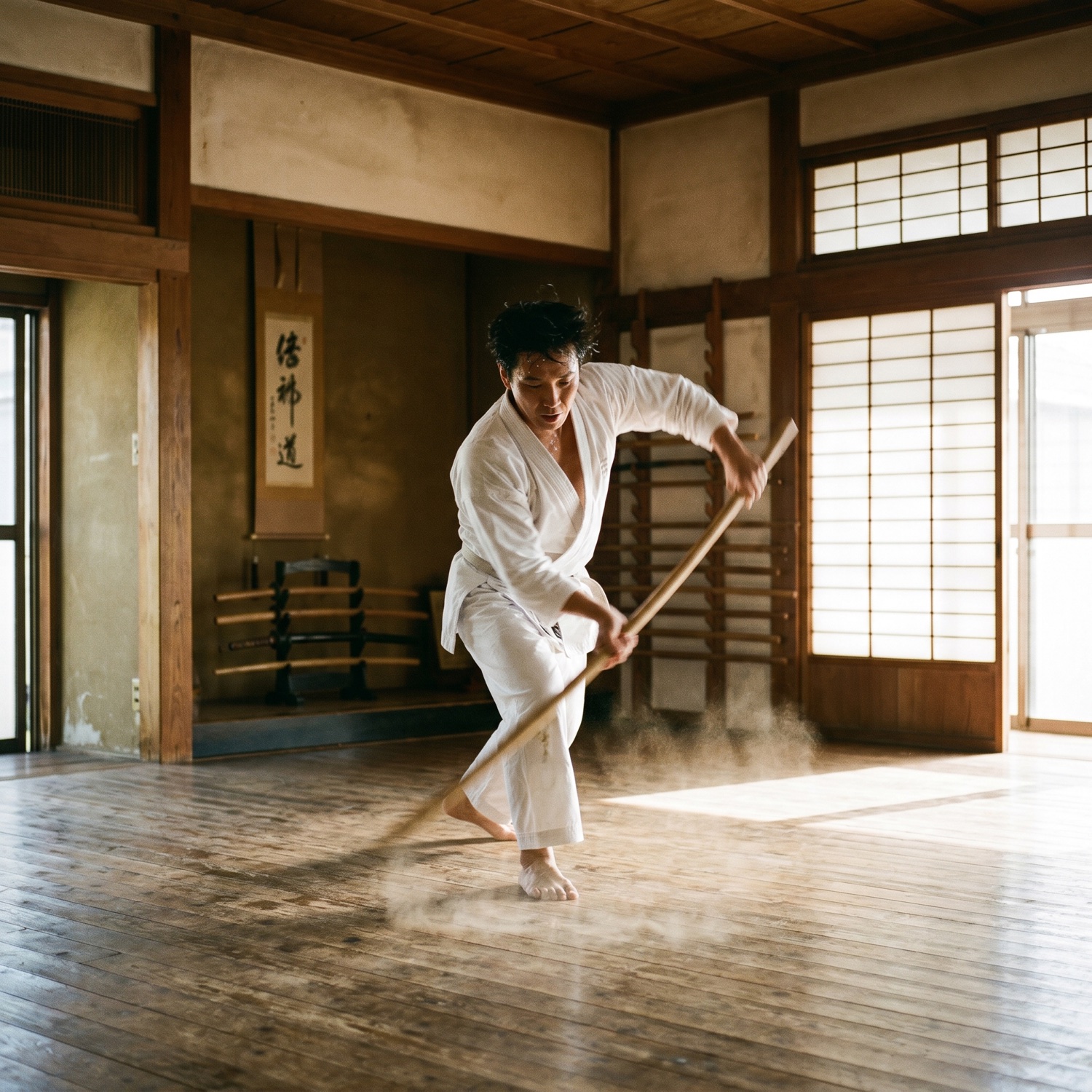
Weapon training is one of the oldest and most rewarding parts of martial arts. Whether you are spinning a bo staff in a karate kata or flowing through arnis stick drills, the right training weapon becomes an extension of your body. It sharpens reflexes, builds upper-body strength, and adds a dimension to your practice that empty-hand work cannot replicate.
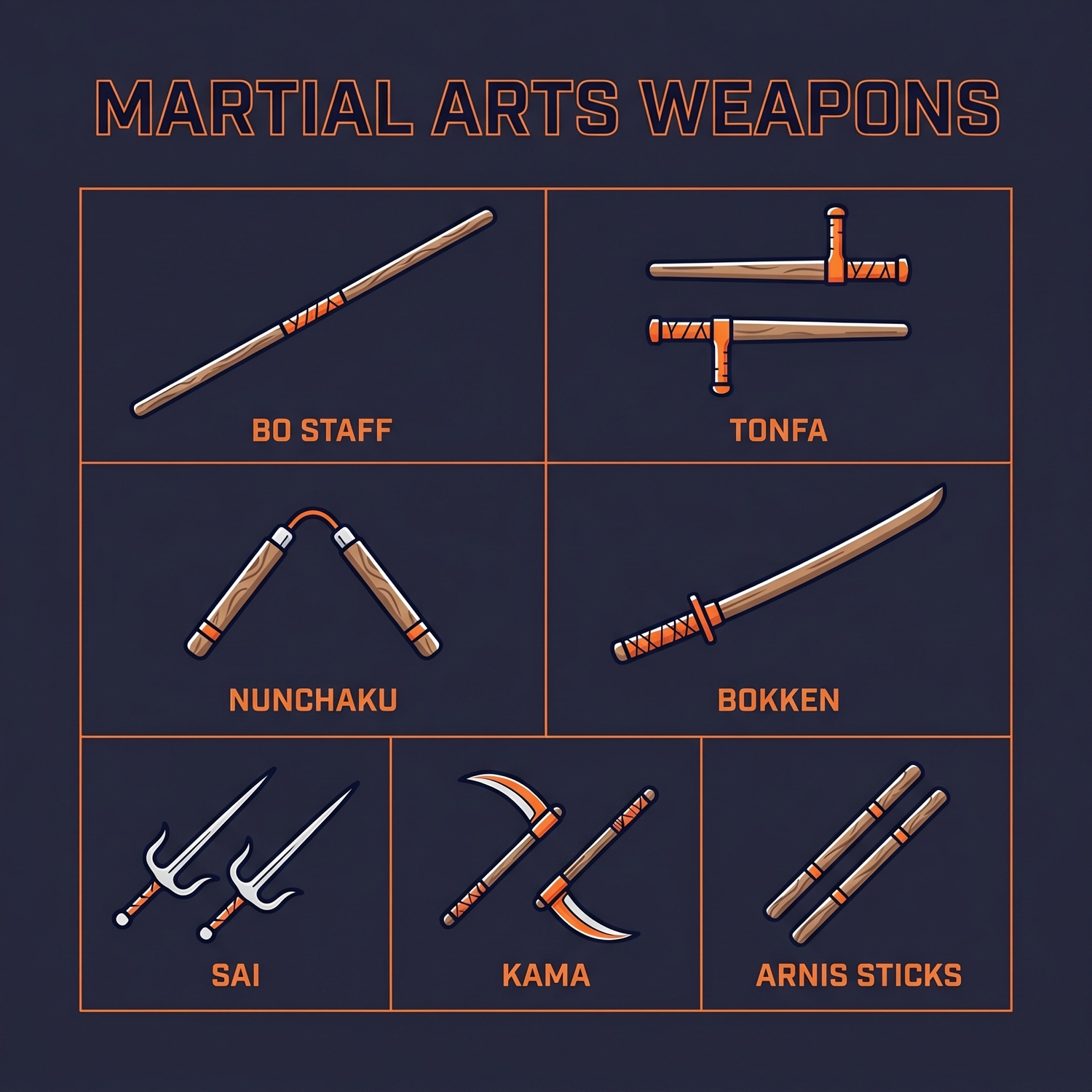
At Bushido Martial Arts, we have been supplying martial arts weapons to schools, competitors, and enthusiasts across Canada since 1992, over 30 years. We stock everything from beginner-friendly foam nunchaku to competition-grade red oak bo staffs. This guide breaks down the 7 essential training weapons, compares them side by side, and helps you pick the right one for your discipline and skill level.
Why Train with Martial Arts Weapons?
Weapons training is not just for advanced students. Many traditional styles introduce weapons from day one because they teach coordination skills that transfer directly to empty-hand technique. Swinging a bo staff, for example, forces you to engage your core and hips in a way that a basic punch drill does not.
Here is what weapons training develops that other training methods often miss:
- Hand-eye coordination and spatial awareness
- Grip strength and forearm endurance
- Full-body power generation through rotation
- Focus and discipline, because a weapon teaches control and respect
- Competition readiness
Styles that use weapons include karate (kobudo), kendo, aikido, kung fu, Filipino martial arts (arnis, eskrima, kali), hapkido, and ninjutsu. If your school teaches any of these, you will need at least one training weapon in your bag.
The 7 Essential Martial Arts Training Weapons
Each weapon on this list fills a different role in martial arts training. Some are universal across multiple styles. Others belong to specific traditions. We have organized them by versatility and popularity based on what we see coming through our doors in Langley, BC.
Bo Staff: The Foundation Weapon
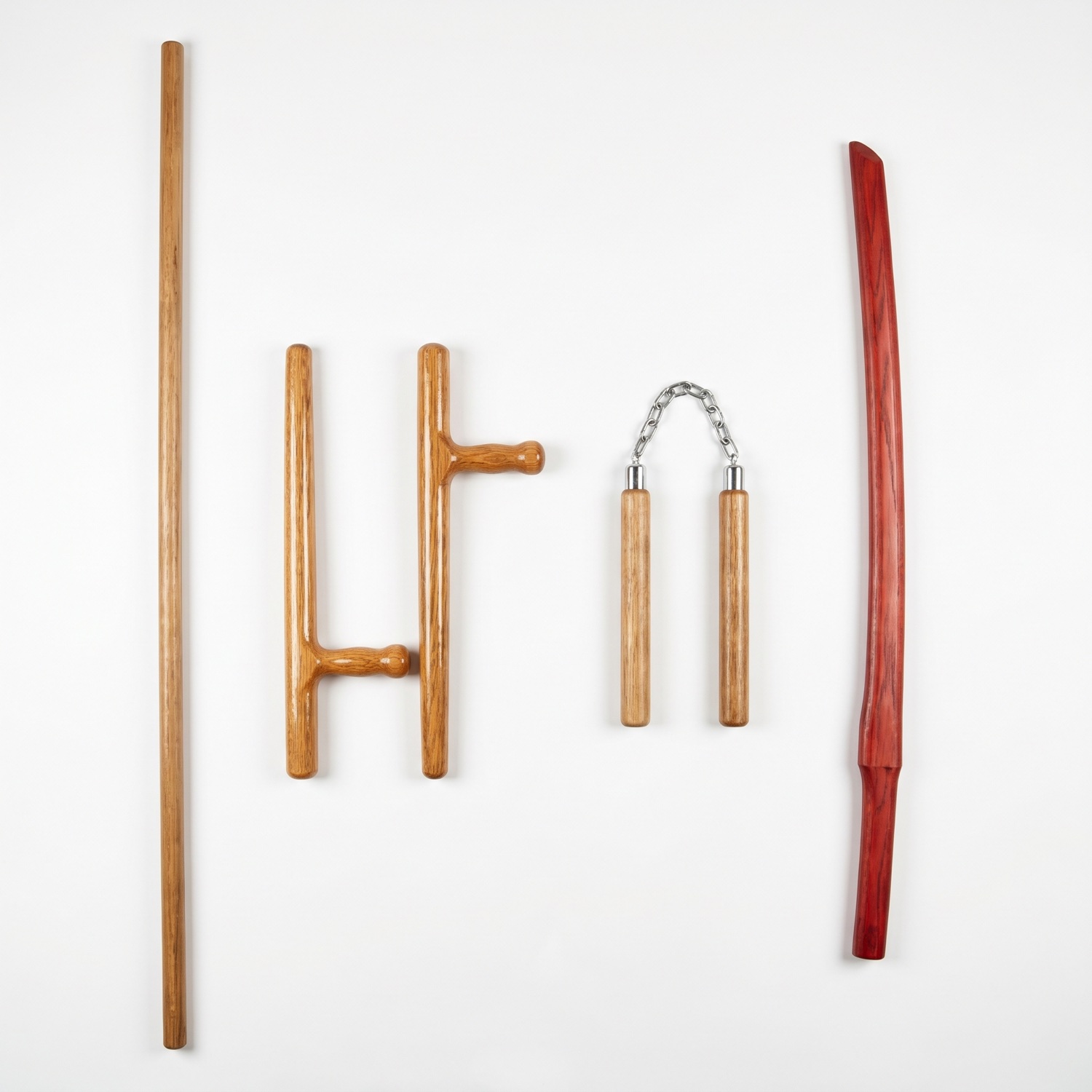
The bo staff is the single most versatile weapon in martial arts. It is a straight or tapered stick, typically 4 to 6 feet long, used across karate, kobudo, kung fu, and several Chinese and Okinawan systems. Beginners love it because the movements feel natural. You are essentially learning to extend your reach and generate power through rotation.
Materials range from lightweight rattan, great for beginners and speed drills, to red oak and ash, heavier and competition-standard. We carry bo staffs in multiple lengths and woods, including toothpick-tapered styles for speed and competition and straight-cut styles for contact drills. A good rule of thumb for sizing: your bo should reach from the floor to about 2 to 3 inches above your head.
Tonfa: Okinawan Striking Power
If you have ever seen a police side-handle baton, you have seen a tonfa. This L-shaped weapon originated in Okinawa and is used in kobudo and karate systems worldwide. The perpendicular handle gives you a grip point for spinning, blocking, and striking. The technique also transfers directly to empty-hand blocks and forearm strikes.
Our tonfa collection includes traditional hardwood pairs and foam training versions for beginners. Tonfas are typically sold in pairs. In our experience, students pick up the basic blocks quickly, but the spinning combinations take months to master, which is exactly what makes them a favourite in competitive kata.
Nunchaku: Speed and Control
Two sticks connected by a chain or cord. Simple design, steep learning curve. Nunchaku train speed, timing, and wrist control like nothing else. They are used primarily in Okinawan kobudo and have become iconic in martial arts culture thanks to Bruce Lee.
For beginners, we always recommend starting with foam or rubber nunchaku. A missed catch with a hardwood pair leaves a bruise you will not forget. Once you are comfortable with the basic figure-eight and catch patterns, you can graduate to wooden nunchaku with ball-bearing swivels for smoother rotation. Good news for Canadian practitioners: our foam training nunchaku are legal for martial arts training in Canada, as they are made with a PVC core and foam outer layer. Wood, metal, and harder materials are deemed illegal within Canada.
Bokken: The Wooden Sword
A bokken is a solid wooden sword shaped like a katana. It is the primary training tool for iaido, kenjutsu, and aikido weapon work. Unlike a shinai (bamboo, designed for contact), a bokken is made from a single piece of hardwood and is not meant for full-speed sparring. It is used for form practice, solo kata, and paired drills at controlled speed.
Red oak is the standard material. It is dense enough to simulate a real blade’s weight without being dangerously heavy. We stock bokken in several styles, including standard katana-length (40 inches) and wakizashi-length (shorter, for paired practice). Look for straight grain with no knots. A weak spot in the wood can cause a bokken to snap under impact.
Sai: Trident of Okinawan Kobudo
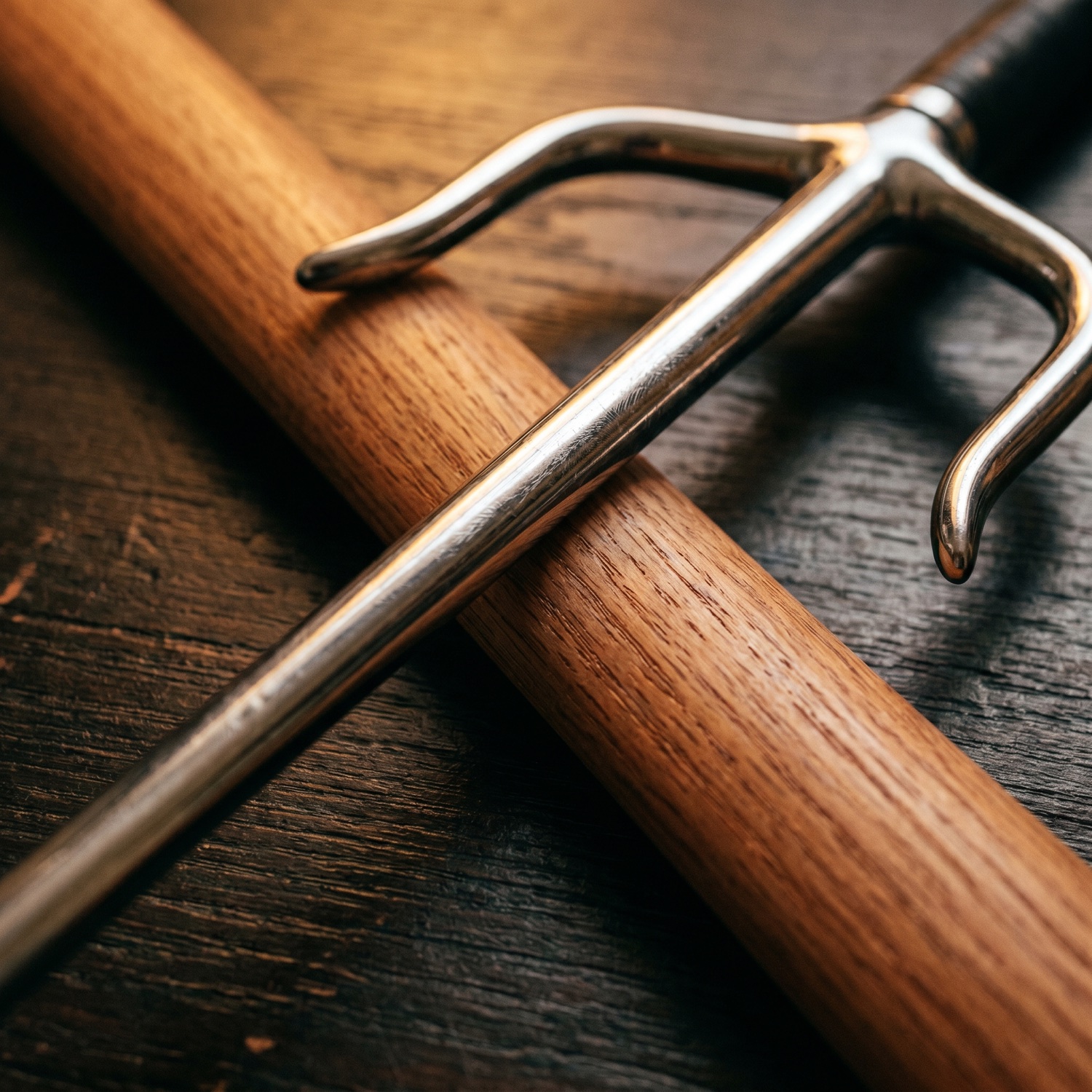
The sai is a metal weapon with a pointed centre shaft and two curved prongs (yoku). It is traditionally used in Okinawan kobudo and some karate systems. Sai technique emphasizes trapping, blocking, and thrusting, and the weight builds serious forearm strength.
Training sai come in chrome steel (traditional weight), aluminium (lighter, good for beginners and competition), and rubber-coated (for safe contact drills). They are sold in pairs, and sizing follows a simple rule: the sai should extend about 3 cm past your elbow when held with the shaft along your forearm. Browse our sai collection for octagon, round, and competition models.
Kama: The Farmer’s Weapon
The kama is a sickle-shaped blade weapon that originated as a farming tool in Okinawa. In kobudo, kama are used in pairs for hooking, slashing, and trapping techniques. They are one of the more visually striking competition weapons, and a well-executed kama kata is hard to look away from.
Training versions use blunted blades or rubber edges for safety. Competition-grade kama feature hardwood handles and real but unsharpened steel blades. Our competition ash wood kama are a popular choice for WKF-style kata competitors.
Arnis Sticks (Escrima, Kali): Filipino Martial Arts
Arnis sticks are short rattan sticks, typically 26 to 30 inches, used in Filipino martial arts (also called eskrima or kali). They are used solo, in pairs, or with a stick in one hand and a training knife in the other. The system emphasizes flow, angle-based attacks, and disarming.
Rattan is the standard material because it is lightweight, flexible, and absorbs impact without splintering the way hardwood can. We stock arnis sticks in both spiral-wrapped and military patterns. If you are training in arnis, you will go through sticks regularly. They are built to take punishment, and replacing a worn pair is part of the practice.
Martial Arts Weapons Comparison Chart
Here is a side-by-side look at all 7 weapons to help you compare:
| Weapon | Discipline | Material | Length | Skill Level | Best For |
|---|---|---|---|---|---|
| Bo Staff | Karate, Kobudo, Kung Fu | Oak, Rattan, Ash, White Wax | 4 to 6 ft | All levels | Foundation training, kata |
| Tonfa | Kobudo, Karate | Oak, Foam | 18 to 24 in | Intermediate | Blocking, striking combos |
| Nunchaku | Kobudo, Freestyle | Wood, Foam, Rubber | 6 to 12 in handles | Intermediate and up | Speed, wrist control |
| Bokken | Iaido, Kenjutsu, Aikido | Red Oak | 40 in (katana) | All levels | Sword form practice |
| Sai | Kobudo, Karate | Chrome, Aluminium | Elbow plus 3 cm | Intermediate and up | Trapping, forearm strength |
| Kama | Kobudo, Karate | Wood plus Steel or Rubber | 10 to 12 in | Advanced | Competition kata |
| Arnis Sticks | Arnis, Eskrima, Kali | Rattan | 26 to 30 in | All levels | Flow drills, sparring |
How to Choose the Right Training Weapon
Picking a weapon comes down to three factors: your discipline, your experience level, and your training goals.
Match the weapon to your style. If your instructor teaches kobudo, you will need a bo staff, sai, tonfa, or kama, probably in that order as you advance. Filipino martial arts students need arnis sticks. Do not buy a weapon your school does not train with. Always speak to your instructor regarding equipment requirements.
Start safe, then upgrade. Foam and rubber versions exist for nunchaku, tonfa, and sai. They are not just for kids. Adults learning a new weapon benefit from a forgiving material while building muscle memory. Once your technique is clean, move to wood or metal.
Material quality matters more than you think. A cheap bo staff with a hidden knot or crack will snap at the worst possible moment. Red oak and ash are the gold standards for wooden weapons. Rattan works well for sticks and lighter staff. Avoid anything that feels too light or has visible defects in the grain.
Size it correctly. Bo staffs should reach 2 to 3 inches above your head. Sai should extend 3 cm past your elbow. Arnis sticks: 26 inches work best for youth and 28 to 30 inches for adults. When in doubt, ask your instructor or contact our team, as we have helped thousands of students find the right fit.
Are Martial Arts Weapons Legal in Canada?
This is one of the most common questions we get, and the answer is reassuring: training weapons made of wood, bamboo, foam, or rubber are legal to own and use for martial arts practice in Canada. There is no blanket ban on martial arts weapons the way some other countries handle them.
A few practical points to keep in mind:
- Nunchaku are legal in Canada for training purposes only if they are made with a PVC plastic core and foam outer covering like ours. Metal or wooden versions are illegal. This differs from several US states and parts of Europe where they are restricted.
- Bladed weapons (real swords, sharpened kama) are subject to standard Canadian blade regulations. Training versions with blunted or rubber edges are not restricted.
- Transport common sense applies: keep training weapons in a bag or case when traveling to and from the dojo. Carrying a bo staff openly on public transit will attract attention even if it is technically legal.
- Shipping within Canada is straightforward for wooden and foam training weapons. We ship martial arts weapons across Canada daily with no customs issues experienced to date.
If you are ordering from outside Canada, check with the seller about customs declarations. Wooden training weapons generally clear without issues, but metal weapons (chrome sai, for example) may require proper documentation.
Weapon Care and Maintenance
Training weapons last years if you take care of them. Here is what each material needs:
Wood (bo staff, bokken, tonfa): Wipe down after each use to remove sweat and moisture. Apply a light coat of linseed oil or tung oil every few months to prevent drying and cracking. Store horizontally or vertically in a cool, dry space. Avoid leaning against a wall, as this can cause warping over time. Inspect for cracks before each session.
Metal (sai, competition kama blades): Wipe with a dry cloth after handling. If stored long-term, a thin coat of mineral oil prevents rust. Chrome sai require less maintenance than uncoated steel, but the prongs can loosen at the base over years of use. If the steel is not stainless, ensure the metal portion is dry before storage to avoid rusting. Check the fit periodically.
Rattan (arnis sticks): These are consumable. They will develop dents and eventually crack with heavy contact use. That is normal. Replace when the structural integrity is compromised. Some practitioners soak new rattan sticks in water briefly to increase flexibility, but this shortens the overall lifespan.
Frequently Asked Questions
What are the most common martial arts weapons?
The bo staff, nunchaku, and bokken are the three most widely used training weapons across all styles. The bo staff appears in karate, kobudo, kung fu, and several other systems. Nunchaku are popular in kobudo and freestyle martial arts. Bokken are standard equipment for anyone studying Japanese sword arts. After those three, escrima and sai are very popular, with tonfa and others rounding out the list.
Are martial arts weapons legal in Canada?
Yes. Training weapons made of wood, bamboo, foam, and rubber are legal to own and use for martial arts practice in Canada when used in the dojo under supervision. Always transport your weapons in a bag or case when traveling to and from your training facility. Please note that misuse of any of these training weapons outside of the gym and home can still result in severe consequences.
What is the best martial arts weapon for beginners?
A bo staff is the safest and most intuitive starting point. The movements translate across multiple styles, and the weapon is forgiving since it is just a stick with nothing to cut you or wrap around your wrist. It also builds the rotational power and coordination that every other weapon requires. If your style requires a different weapon, start with the foam or rubber version before graduating to wood or metal.
How tall should a bo staff be?
Your bo staff should reach from the floor to about 2 to 3 inches above your head. Most adults use a 6-foot (72-inch) bo. Shorter practitioners or younger students may prefer a 5-foot staff or a 4-foot option for youth. Some competition styles specify exact measurements, so check with your instructor if you are preparing for a tournament. We carry bo staffs in 4-foot, 5-foot, and 6-foot lengths to fit all sizes.
What is the difference between a bokken and a shinai?
A bokken is a solid wooden sword used for form practice, solo kata, and controlled paired drills. A shinai is a bamboo practice sword designed for full-contact kendo sparring. The key difference is intent: the bokken simulates a real blade’s weight and balance for precision work, while the shinai is engineered to flex on impact so you can spar at speed safely. You do not hit people with a bokken. You do hit people with a shinai, because that is what it is designed for.
Start Your Weapons Training Journey
Whether you are picking up your first bo staff or adding competition-grade sai to your arsenal, the right weapon makes the training better. Browse our full martial arts weapons collection or visit us in Langley, BC to see everything in person. Need help choosing? Call us at 604-513-0317 or drop by the shop. We have been helping martial artists find the right gear since 1992, and we are happy to point you in the right direction.
Shop All Weapons | Bo Staffs | Tonfa | Nunchaku | Sai & Kama